Business Name: FootPrints Home Care
Address: 4811 Hardware Dr NE d1, Albuquerque, NM 87109
Phone: (505) 828-3918
FootPrints Home Care
FootPrints Home Care offers in-home senior care including assistance with activities of daily living, meal preparation and light housekeeping, companion care and more. We offer a no-charge in-home assessment to design care for the client to age in place. FootPrints offers senior home care in the greater Albuquerque region as well as the Santa Fe/Los Alamos area.
4811 Hardware Dr NE d1, Albuquerque, NM 87109
Business Hours
Monday thru Sunday: 24 Hours
Facebook: https://www.facebook.com/FootPrintsHomeCare/
Instagram: https://www.instagram.com/footprintshomecare/
LinkedIn: https://www.linkedin.com/company/footprints-home-care
The most demanding part of a medical facility stay for lots of families is not the surgical treatment or the medical diagnosis. It is the discharge discussion. A nurse stands in the entrance with a stack of documents, explaining injury care, new medications, fall threats, follow up visits, diet changes. The client is exhausted, the household is overwhelmed, and everyone understands that in a couple of hours they will be home without screens, call buttons, or a nurse down the hall.
That space in between health center and home is where things often go wrong. Missed out on medications, falls in the bathroom, bad nutrition, confusion about alerting signs. In my work around elder care and discharge planning, I have enjoyed strong, capable households discover themselves rushing within 48 hours of getting a loved one home.
Quality home care in Albuquerque can turn that unstable shift into something foreseeable and manageable. Not best, not without difficulties, however more secure and far less frightening.
This post looks closely at how Albuquerque home care services support older adults moving from healthcare facility or rehabilitation back to their homes, and what households should understand before they make choices about at home care.
Why the Space Between Healthcare Facility and Home Is So Risky
Shorter hospital remains indicate people typically go home "clinically steady" however functionally vulnerable. They may not be ready to manage daily life without aid, especially after a stroke, surgery, heart failure episode, or major infection.
Three patterns show up once again and once again in that first month after discharge.
First, physical vulnerability. An individual who could stroll to the mailbox before a hospitalization may now lack breath simply getting to the bathroom. They might be on new medications that trigger dizziness or lower high blood pressure. Falls and near falls are incredibly common in the very first 2 weeks back home.
Second, cognitive overload. Discharge guidelines are generally right, however rarely simple. A common older adult with 2 or three chronic conditions can leave the medical facility with 10 or more medications, numerous of them changed from their previous routine. Even careful individuals with tablet organizers can end up being confused, especially if there is some baseline memory loss.
Third, emotional whiplash. In the healthcare facility, there is continuous guidance. At home, the quiet can feel hazardous. Clients often report a sense of desertion or fear of "messing something up." Relative feel responsible but not prepared, particularly if they work full-time or live across town.
All of this is magnified when the patient is an older adult attempting to maintain independence in their own house. That is where at home senior care in Albuquerque becomes not simply a convenience, but an authentic layer of security versus avoidable issues and readmissions.
What "Home Care" Really Suggests in Albuquerque
The term "home care" is frequently used loosely, and it confuses families at precisely the minute they need clearness. There are two significant categories you will experience when you inquire about Albuquerque home care.
Home health is medical and is usually covered by Medicare if certain criteria are fulfilled. It consists of knowledgeable nursing, physical therapy, occupational treatment, speech therapy, and often medical social work. These experts concern the home for short, focused visits, typically one to 3 times each week, and follow a particular care plan purchased by a doctor. Their job is to deal with and inform, not to stay for long stretches of time.
Non medical home care, typically called in-home care, companion care, or personal care, focuses on day-to-day living support instead of medical treatment. This is the world of senior home care firms and private caregivers. They assist with activities like bathing, dressing, meal preparation, light housekeeping, transport, and guidance for safety. Visits can range from a couple of hours a week to ongoing care.
Many households presume home health will "cover everything" after a hospitalization. It seldom does. A physiotherapist may visit twice a week, however no one exists to make lunch, remind about afternoon medications, or guide an unsteady walk to the bathroom at 2 a.m. That space is where non medical in-home care ends up being essential.
The strongest outcomes normally come when home health and non medical home care operate in tandem. One addresses the scientific recovery, the other keeps every day life operating while the client gains back strength.
The Regional Truth: Albuquerque's Aging Population and Geography
Albuquerque has a growing older adult population, including both very long time locals and retirees drawn by the environment and lower expense of living compared to seaside cities. Numerous are living alone or as couples without close-by adult kids. That has direct implications for home look after parents who want to stay in their own houses.
Geography adds another layer. Albuquerque spreads out across a broad location. Adult children in Rio Rancho or the East Mountains might require 30 to 45 minutes each way to examine a parent in the Northeast Heights or the Westside. For households juggling tasks and young kids, daily visits are not realistic.
In some communities, walkability is limited, and older homes were not constructed with aging in mind. Narrow corridors, sunken living rooms, steep driveways, and small restrooms can all turn basic tasks into fall risks. When an individual returns from the medical facility weaker than before, these home functions all of a sudden become crucial safety issues.
Local weather matters too. Hot, dry summertimes increase dehydration risk, while winter ice can be treacherous for anyone with a walker or walking stick. A home care service provider who really comprehends Albuquerque's environment and terrain will expect problems that a far-off relative may not think about.
How In-Home Care Supports Recovery After Hospitalization
Home care plays a various function the first month after discharge than it does later. That early window is everything about stabilization and confidence building.

A good Albuquerque home care prepare for that first thirty days frequently fixates a few concrete goals:
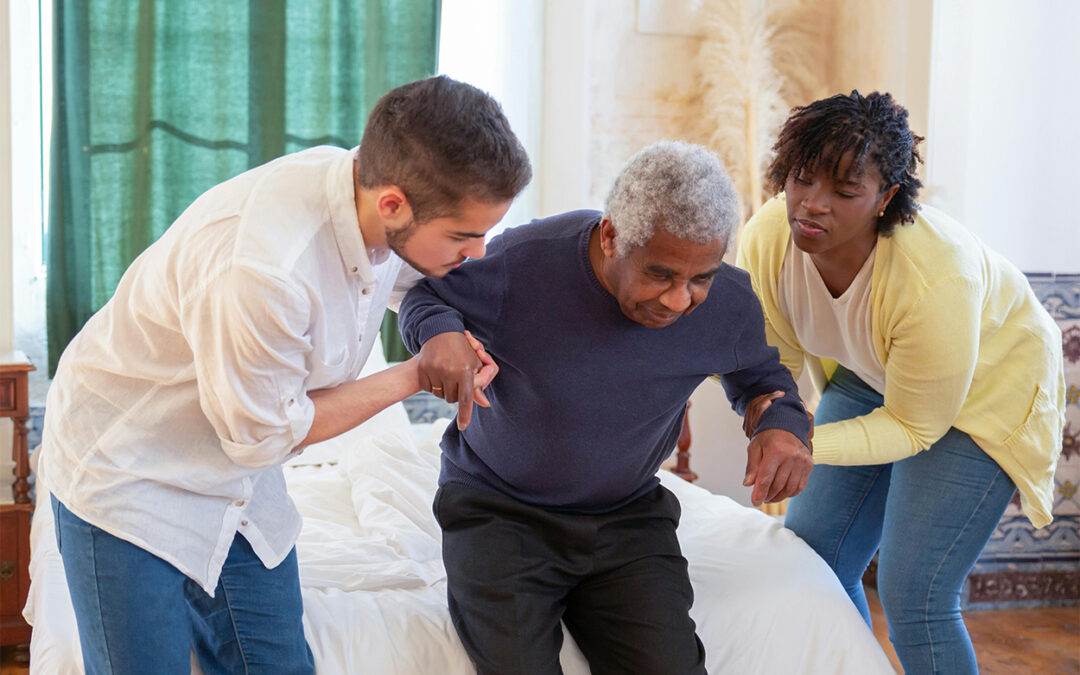
Safe movement. Assisting the individual transfer from bed to chair, assisting them in and out of the shower, monitoring how they deal with steps or outdoor paths, and changing support as they regain strength. I have actually seen caretakers capture early signs of imbalance that would have caused serious falls if no one had actually been present.
Medication consistency. While caregivers can not change prescriptions, they can prompt, observe, and report. When a home care worker notices that a customer appears more confused after a brand-new medication, that feedback to the nurse or medical professional can activate a prompt modification rather of a crisis.
Nutrition and hydration. After a hospital stay, hungers typically drop, and taste can change. Easy, enticing meals and consistent fluid intake can make a surprising distinction in energy, wound healing, and mood. A caregiver who notices an unblemished lunch plate three days in a row comprehends that something is off.
Reinforcing treatment gains. When home health therapists are not present, at home caregivers can motivate the patient to practice basic workouts, stroll a bit more each day, or utilize adaptive devices correctly. That thread of connection in between therapy visits enhances outcomes.
Emotional reassurance. Numerous older adults will press through pain or dizziness so they "don't trouble anybody." A familiar caregiver can stabilize requesting assistance and can discover subtle signs of distress that busy member of the family may miss during brief visits.
Over time, as the immediate post health center risk declines, the emphasis of senior home care often shifts from extensive support toward longer term self-reliance: preserving regimens, neighborhood engagement, and thoughtful monitoring of health changes.
What Families Frequently Underestimate
Families are often great at managing the huge picture, such as medical choices or financial arrangements. What blindsides them are the small, repeated jobs that fill a day. Those tasks are where in-home care makes the tightest difference.
Examples from real cases in Albuquerque stick with me. A boy who insisted his father was "doing fine" because the significant vitals looked fine, only to find out that laundry had actually accumulated to the point of tripping dangers. A child who believed a neighbor's quick everyday check would be enough, then recognized her mother was avoiding showers to avoid the threat of falling without help.
Three locations in particular are simple to ignore:
Bathroom safety. Even a strong older adult can slip in a damp tub or on a small carpet. Add post surgical pain or new blood pressure medication, and the threat spikes. A caretaker close by throughout showers or nighttime restroom journeys can prevent both small and devastating falls.
Fatigue. The very first week in the house typically looks deceptively great. Adrenaline and relief begin. By week 2, real fatigue sets in, and individuals start to cut corners: avoiding their walker for "simply a couple of actions," deciding they are "too worn out" to warm up an appropriate meal, letting exercises slide. Daily or near day-to-day assistance during that crash period is typically better than heavy assistance on day one.
Communication gaps. Multiple physicians, a home health team, and family members may all offer directions. Without someone present to observe life, it is difficult to understand which directions are sensible. Home care employees can tell households, "She is agreeing to use the walker, but in fact leaves it in the bed room" or "He insists he is consuming 3 meals, however I am only seeing coffee and toast."
Families who live neighboring and are extremely included might still pick in-home senior take care of a couple of hours a day merely to cover the periods they can not reliably manage, like morning regimens or late night supervision.
Matching Solutions to Your Parent's Actual Needs
When families look into home care for parents, they frequently begin with a rough idea of hours without first clarifying what is actually required. Agencies in Albuquerque vary a lot in their minimum visit length, scheduling flexibility, and specific services, so a more comprehensive technique saves time and money.
It normally helps to believe in terms of "anchors" during the day. Early mornings and nights are the most common anchors that determine care schedules. Morning care may consist of aid rising, bathing, dressing, and preparing breakfast and medications. Evening care may concentrate on dinner, clean-up, setting out clothing for the next day, and making sure doors are locked and lights are safely arranged.
Between these anchors, some individuals manage individually, while others benefit from mid day support for meals, light housekeeping, and companionship. For someone who fatigues easily or has memory loss, those mid day visits can avoid the slow slide into poor organization that frequently results in a preventable return to the hospital.
Families in some cases feel guilty if they can not "cover whatever" themselves. It helps to bear in mind that reliable elder care is not about presence every minute of the day, however about tactically placing the right sort of assistance at the riskiest points.
How to Evaluate an Albuquerque Home Care Agency
The home care market is heavily relationship driven. Agencies may look comparable on paper, yet differ considerably in training standards, supervision, and how they react when something goes wrong.
A short, focused list can help when comparing Albuquerque home care providers:
Training and supervision. Ask specifically how caretakers are trained for post healthcare facility circumstances, consisting of fall threat, medication observation, and infection awareness. Also ask how typically managers visit the home or check in with both client and family.
Continuity of caregivers. Regular rotation of staff is tough on older adults, particularly those with cognitive disability. Clarify whether the company prioritizes assigning a small, consistent group instead of a long list of different faces.
Communication practices. Find out how caregivers record visits and how that details is shared. Numerous agencies now use simple digital notes accessible to relative, which can be very handy for adult children in other cities or parts of town.
Flexibility. Recovery is not direct. You may require more hours for the very first two weeks, then less. Ask how easily schedules can be adjusted without penalties and what notification is required.
Coordination with home health. Agencies that are accustomed to working together with Medicare home health teams tend to understand scientific priorities better and communicate red flags more effectively.
It is worth spending quality time in advance on these questions. A strong firm relationship frequently lasts years and adapts over time as needs evolve.
The Particular Function of Home Care in Dementia and Cognitive Impairment
Hospital to home shifts are particularly intricate when the individual has Alzheimer's disease or another kind of dementia. Instructions might be forgotten within minutes. New environments, like rehab facilities, often worsen confusion, which confusion might not completely solve when they return home.
In these cases, in-home care is not only about physical assistance but likewise about keeping a steady psychological environment. A familiar caregiver who comes at foreseeable times can significantly reduce agitation. They likewise act as an early caution system for medical issues, due to the fact that modifications in habits often appear before physical symptoms in individuals with dementia.
Safety concerns increase as well. A cognitively impaired individual may eliminate a surgical dressing, shut off an important oxygen line, or roam out of the house while a family caregiver is footprintshomecare.com in home care in another room. For these households, 24 hour care, at least briefly after healthcare facility discharge, becomes a severe consideration, especially if there is a history of roaming or nighttime wakefulness.
I frequently tell families facing this circumstance that their main job shifts from "helper" to "care planner." Bringing in expert senior home take care of hands on jobs offers member of the family the bandwidth to manage medical appointments, legal decisions, and long term preparation without stressing out in the first month.
Cost, Insurance, and Practical Realities
The monetary side of Albuquerque home care can be surprising if you have not experienced it in the past. Medical home health services recommended after a health center stay are usually covered by Medicare or Medicare Benefit prepares, subject to eligibility rules. Non medical in-home care is various. It is generally paid for out of pocket, through long term care insurance, or through specialized programs for veterans or low earnings individuals.
Hourly rates for non medical at home senior care in Albuquerque generally fall someplace in the mid twenties to mid thirties per hour, depending upon the firm and the level of care. Overnight or live-in plans use various rates designs. Due to the fact that of these costs, households typically start with the minimum variety of hours they think they can handle and then change as they see how healing unfolds.
If a parent has a long term care insurance coverage, it is crucial to contact the insurance provider early. Lots of policies have removal durations before benefits start, particular definitions of what counts as "support with activities of daily living," and requirements for licensed agencies versus personal caregivers. I have seen families lose months of covered care merely because they did not recognize a medical professional's statement was required to set off benefits.

For veterans, the VA Help and Attendance benefit can help offset some home care costs, however the application procedure takes time. Planning ahead, even before a hospitalization, frequently makes the distinction in between rushing in a crisis and having a realistic budget plan mapped out.
When Home Care Alone Is Not Enough
There are circumstances where even robust in-home care can not securely bridge the gap in between hospital and home. A couple of scenarios that merit severe reflection consist of:
Rapidly progressing health problem with complex symptoms that require regular medication changes or monitoring that surpasses what non medical caregivers and episodic home health can fairly provide.
Severe dementia combined with physical aggression or self harm habits that put both the individual and caretakers at risk.
Homes that are structurally risky and can not be fairly modified in time: several high staircases, inaccessible bathrooms, or remote rural places where emergency situation action times are too long.
Total caretaker burnout in the household system, with no realistic plan to support them. If adult kids are currently extended to the breaking point, simply including expert caretakers into a disorderly scenario without more comprehensive modifications can fail both the patient and the family.
These are difficult judgments, and the response is rarely all or nothing. Short term admissions to skilled nursing or rehab, followed by carefully prepared senior home care, typically give families room to breathe and prepare. The key is honest evaluation instead of requiring a "home at all costs" approach when safety clearly argues otherwise.
Building a Sustainable Care Strategy, Not Just a Quick Fix
The best usage of Albuquerque home care services deals with the hospital discharge as one chapter in a longer story, not the whole plot. A well created in-home care plan looks beyond the immediate recovery phase and asks a couple of hard questions.
What will this person likely need 3 to 6 months from now if the healing goes fairly well? Does the family bandwidth exist to cover that, or will continuous in-home care be needed?
What if the healing does not go as planned? Is there a backup plan for increased assistance, respite for family caretakers, or a relocate to assisted living or another setting if necessary?
How can we preserve as much independence and dignity as possible, even while including layers of assistance?
When these concerns become part of the discussion, home look after parents feels less like a desperate reaction and more like a thoughtful step in a bigger elder care technique. Households who approach it in this manner are less most likely to discover themselves in repeated crisis cycles with each fall, infection, or hospitalization.
The shift from medical facility to home will probably always carry some threat and stress and anxiety. Yet with the best partnership between families, doctor, and Albuquerque home care agencies, that space can be bridged with even more safety and regard than many people realize.
Home is often where older adults heal best, offered they are not left to browse that journey alone.
FootPrints Home Care is a Home Care Agency
FootPrints Home Care provides In-Home Care Services
FootPrints Home Care serves Seniors and Adults Requiring Assistance
FootPrints Home Care offers Companionship Care
FootPrints Home Care offers Personal Care Support
FootPrints Home Care provides In-Home Alzheimer’s and Dementia Care
FootPrints Home Care focuses on Maintaining Client Independence at Home
FootPrints Home Care employs Professional Caregivers
FootPrints Home Care operates in Albuquerque, NM
FootPrints Home Care prioritizes Customized Care Plans for Each Client
FootPrints Home Care provides 24-Hour In-Home Support
FootPrints Home Care assists with Activities of Daily Living (ADLs)
FootPrints Home Care supports Medication Reminders and Monitoring
FootPrints Home Care delivers Respite Care for Family Caregivers
FootPrints Home Care ensures Safety and Comfort Within the Home
FootPrints Home Care coordinates with Family Members and Healthcare Providers
FootPrints Home Care offers Housekeeping and Homemaker Services
FootPrints Home Care specializes in Non-Medical Care for Aging Adults
FootPrints Home Care maintains Flexible Scheduling and Care Plan Options
FootPrints Home Care is guided by Faith-Based Principles of Compassion and Service
FootPrints Home Care has a phone number of (505) 828-3918
FootPrints Home Care has an address of 4811 Hardware Dr NE d1, Albuquerque, NM 87109
FootPrints Home Care has a website https://footprintshomecare.com/
FootPrints Home Care has Google Maps listing https://maps.app.goo.gl/QobiEduAt9WFiA4e6
FootPrints Home Care has Facebook page https://www.facebook.com/FootPrintsHomeCare/
FootPrints Home Care has Instagram https://www.instagram.com/footprintshomecare/
FootPrints Home Care has LinkedIn https://www.linkedin.com/company/footprints-home-care
FootPrints Home Care won Top Work Places 2023-2024
FootPrints Home Care earned Best of Home Care 2025
FootPrints Home Care won Best Places to Work 2019
People Also Ask about FootPrints Home Care
What services does FootPrints Home Care provide?
FootPrints Home Care offers non-medical, in-home support for seniors and adults who wish to remain independent at home. Services include companionship, personal care, mobility assistance, housekeeping, meal preparation, respite care, dementia care, and help with activities of daily living (ADLs). Care plans are personalized to match each client’s needs, preferences, and daily routines.
How does FootPrints Home Care create personalized care plans?
Each care plan begins with a free in-home assessment, where FootPrints Home Care evaluates the client’s physical needs, home environment, routines, and family goals. From there, a customized plan is created covering daily tasks, safety considerations, caregiver scheduling, and long-term wellness needs. Plans are reviewed regularly and adjusted as care needs change.
Are your caregivers trained and background-checked?
Yes. All FootPrints Home Care caregivers undergo extensive background checks, reference verification, and professional screening before being hired. Caregivers are trained in senior support, dementia care techniques, communication, safety practices, and hands-on care. Ongoing training ensures that clients receive safe, compassionate, and professional support.
Can FootPrints Home Care provide care for clients with Alzheimer’s or dementia?
Absolutely. FootPrints Home Care offers specialized Alzheimer’s and dementia care designed to support cognitive changes, reduce anxiety, maintain routines, and create a safe home environment. Caregivers are trained in memory-care best practices, redirection techniques, communication strategies, and behavior support.
What areas does FootPrints Home Care serve?
FootPrints Home Care proudly serves Albuquerque New Mexico and surrounding communities, offering dependable, local in-home care to seniors and adults in need of extra daily support. If you’re unsure whether your home is within the service area, FootPrints Home Care can confirm coverage and help arrange the right care solution.
Where is FootPrints Home Care located?
FootPrints Home Care is conveniently located at 4811 Hardware Dr NE d1, Albuquerque, NM 87109. You can easily find directions on Google Maps or call at (505) 828-3918 24-hoursa day, Monday through Sunday
How can I contact FootPrints Home Care?
You can contact FootPrints Home Care by phone at: (505) 828-3918, visit their website at https://footprintshomecare.com, or connect on social media via Facebook, Instagram & LinkedIn
A visit to the ABQ BioPark Botanic Garden offers a peaceful, gentle outing full of nature and fresh air — ideal for older adults and seniors under home care.